
What Is NASCAR? 7 Essential Facts Made Easy (2026)
NASCAR is the National Association for Stock Car Auto Racing, the sanctioning body behind major U.S. stock-car series including the Cup Series, O’Reilly Auto Parts Series and Craftsman Truck Series. In a NASCAR race, drivers compete over a set distance on ovals, road courses or street circuits. Finishing position, stage results and consistency earn championship points.
To follow a race, watch five things: starting position, track type, stage endings, pit strategy and cautions. The first car to complete the scheduled distance wins, unless an overtime procedure extends the finish. For 2026, the Cup Series uses a 26-race regular season followed by a 10-race, points-based Chase for the top 16 drivers.
What is NASCAR racing?
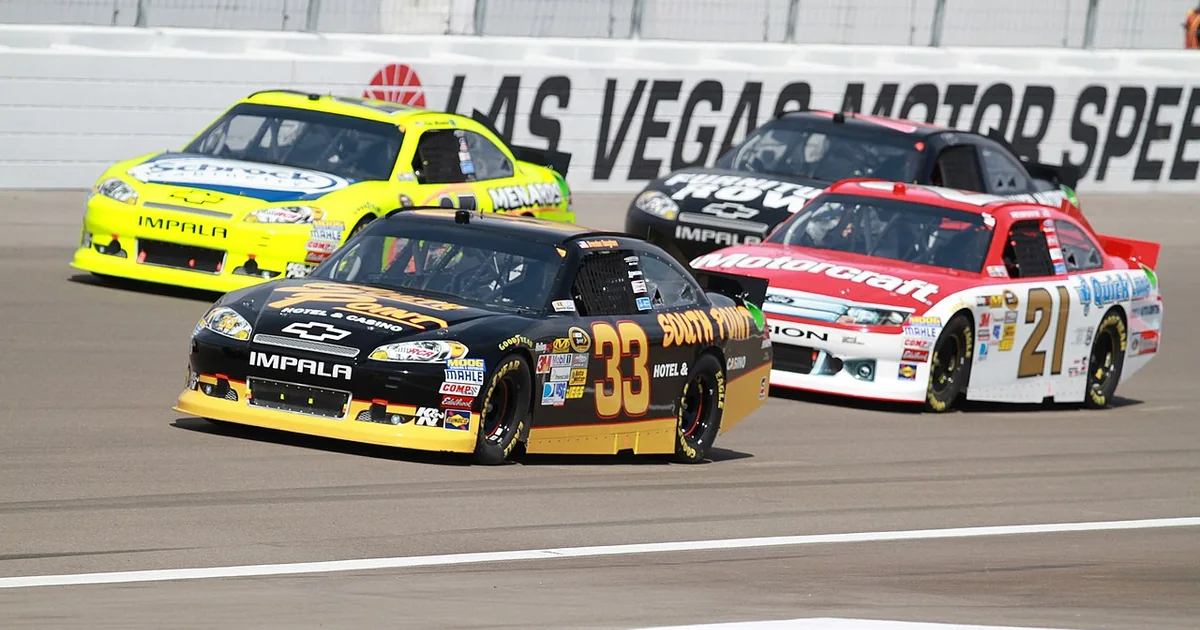
If someone asks what is NASCAR, the clearest answer is that it is both a sanctioning organization and a racing ecosystem—not the name of one single race. Its best-known level is the Cup Series. The O’Reilly Auto Parts Series and Craftsman Truck Series are separate national championships with their own vehicles, schedules and Chase fields. “Stock car” originally referred to production-based automobiles; modern NASCAR machines are purpose-built race vehicles shaped and regulated to create close competition.
NASCAR is famous for ovals, but “every race is just turning left” is a poor shortcut. Schedules also include road courses and street circuits, while ovals range from short tracks to intermediate tracks and high-speed superspeedways. Each type rewards a different balance of braking, corner speed, drafting, tyre management and traffic control.
How NASCAR works: the race format in five steps
Understanding what is NASCAR becomes easier when you follow the sequence of a race weekend rather than memorizing isolated rules.
- Practice and qualifying: teams tune the car and qualifying establishes the starting order. Procedures can vary by event and track type.
- The start: cars take the green flag in rows and begin the scheduled distance measured in laps or miles.
- Stages: most points races are divided into three stages. The first two create mid-race scoring moments; the final stage decides the race winner.
- Pit cycles and cautions: teams change tyres, add fuel and make permitted adjustments. Yellow flags slow and regroup the field when a hazard requires control.
- The finish: the first car to complete the race distance wins. If a late caution prevents a green-flag finish, NASCAR can use overtime under the event rules.
NASCAR stages explained without the jargon
For readers learning what is NASCAR, stages are one of the biggest differences from many other racing series. They create rewards before the chequered flag. At the end of each of the first two stages, the top 10 receive stage points: 10 for first, nine for second, continuing down to one for 10th. Those points add to the points earned from the final finishing position.
That means a driver can collect valuable points early even if a later crash ruins the final result. It also gives teams strategic choices: chase stage points now, or position the car for the final stage. Exact stage lengths are event-specific, so check the official race page rather than assuming every track uses the same lap split.
How does the NASCAR points system work in 2026?
A complete answer to what is NASCAR must include how its championship is scored. Under the current 2026 system, a win pays 55 finishing points. Second earns 35, third 34, fourth 33 and the scale continues downward. Stage points remain 10 through one for the top 10 in the first two stages. NASCAR made the larger winner reward to keep winning important while still valuing season-long consistency.
Information Gap: why older NASCAR guides are now misleading
Older explainers often say a win is worth 40 points, that winning guarantees a postseason berth, or that drivers are eliminated round by round. Those statements describe the previous system. For the NASCAR Chase format 2026, a Cup win pays 55 points, “win and in” is gone, and no drivers are eliminated during the 10 Chase races.
After Race 26, the top 16 Cup drivers by points qualify for The Chase. Their points are reseeded once: the regular-season leader starts at 2,100, 25 points ahead of second, while the 16th seed starts at 2,000. The qualified driver with the most points after the season finale becomes champion. See NASCAR’s official 2026 Chase explainer and current Cup standings.
What do flags, cautions and restarts mean?
The green flag starts or restarts racing. Yellow signals a caution, when passing is restricted and the field follows pace instructions. Red stops on-track activity. White means the leader has started the final scheduled lap, and the chequered flag ends the race. A black flag directs a driver to respond to officials, commonly because of a penalty or mechanical concern.
Restarts matter because the field is compressed. Drivers must choose lanes, manage wheelspin and judge the cars around them while fighting for position. A strong long-run car can lose places on a poor restart; a short-run specialist may gain quickly before tyre performance changes.
Why pit stops and strategy can decide a NASCAR race
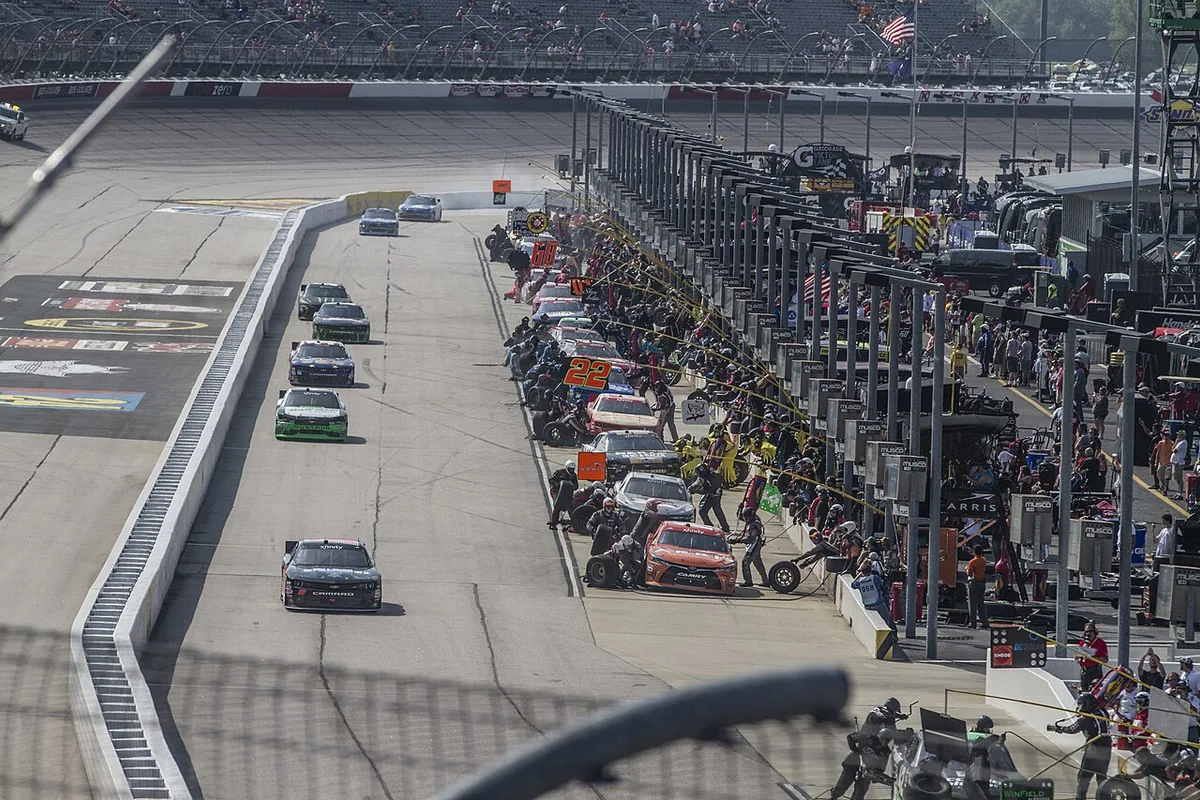
A pit stop trades track position for fuel, fresh tyres or adjustments. Crews work under strict pit-road speed and equipment rules, so a fast stop is only useful if it is clean. Strategy depends on fuel range, tyre falloff, caution probability, stage points and how difficult passing is at that circuit.
What criteria make a great NASCAR driver?
Knowing what is NASCAR also means understanding that raw speed is only one criterion. Strong NASCAR drivers combine qualifying pace, racecraft in traffic, restart execution, tyre conservation, drafting judgement and useful feedback to the crew. Championship performance also rewards reliability and consistency: leading laps is impressive, but avoiding preventable damage and collecting points every week can matter more over 36 races.
For a beginner, evaluate a performance with four questions: Did the driver improve from the starting position? Was the car fast on short runs or long runs? Did pit strategy create or cost track position? Did the driver score stage points and finish? This reveals more than looking only at the winner.
NASCAR-inspired fanwear from KozmozRacing
These made-to-order KozmozRacing designs use lightweight, breathable polyester-blend fabric and printed racing-inspired graphics. Review the product sizing information before ordering. They are independent fan-expression apparel, not official team merchandise and not certified protective racing gear.


How to watch your first NASCAR race
The best practical way to understand what is NASCAR is to watch one race with a simple checklist. Check the track type and starting grid, then choose two or three drivers to follow. At each stage, note who scored points and who sacrificed position for strategy. During pit cycles, compare tyre choices and fuel range. After cautions, watch lane selection and the first two restart laps. If you already understand open-wheel racing, our Formula 1 beginner’s guide provides a useful contrast.
Frequently asked questions about NASCAR
What is NASCAR best known for?
NASCAR is best known for close stock-car racing on American oval tracks, although its national series also race on road courses and street circuits.
What does NASCAR stand for?
NASCAR stands for the National Association for Stock Car Auto Racing.
Are all NASCAR races on oval tracks?
No. Ovals are central to NASCAR, but national-series schedules also include road courses and street circuits.
How many stages are in a NASCAR race?
Most national-series points races use three stages, although stage lengths and special-event formats can vary.
How many points is a NASCAR win worth in 2026?
A race win is worth 55 finishing points in 2026, plus any stage points earned earlier in the race.
Does winning automatically qualify a driver for the 2026 Chase?
No. The 2026 Cup Chase field is the top 16 in points after the 26-race regular season; “win and in” no longer applies.
Independent retailer notice
KozmozRacing is an independent retailer of racing-inspired fan products. This article and the products shown are not affiliated with, sponsored by, endorsed by or licensed by NASCAR, any team, driver, manufacturer or sponsor.
Sources and further reading
- NASCAR — official site — rules, schedule, points system and stage-racing format.
- NASCAR — history and overview of the series and its race format.
- NASCAR Next Gen car — current car specifications used across the Cup Series.