
What Is Formula 1? A Complete Beginner’s Guide to F1 Rules, Race Weekends and Teams
Formula 1 is the FIA’s top-level, season-long world championship for open-wheel racing, where drivers and teams score points across Grands Prix and selected Sprints. A weekend combines practice, qualifying and a race, while strategy, tyre choices, safety rules and teamwork can change the result as much as outright speed.
If you are watching for the first time, start with the simple picture: drivers race for an individual championship and teams add both cars’ points for the teams’ championship. The cars are highly specialised single-seaters, but the basic goal is familiar—finish as high as possible while following the sporting and safety rules.
What is Formula 1, exactly?
Formula 1, usually shortened to F1, is an international championship governed by the FIA. It brings drivers, engineers, mechanics and strategists together at circuits around the world. Each driver earns points from finishing positions; each team’s total is the combined contribution of its two cars. That is why a team can celebrate a strong result even when only one driver reaches the podium. The Formula 1 championship guide is a useful official starting point for the drivers’ title.
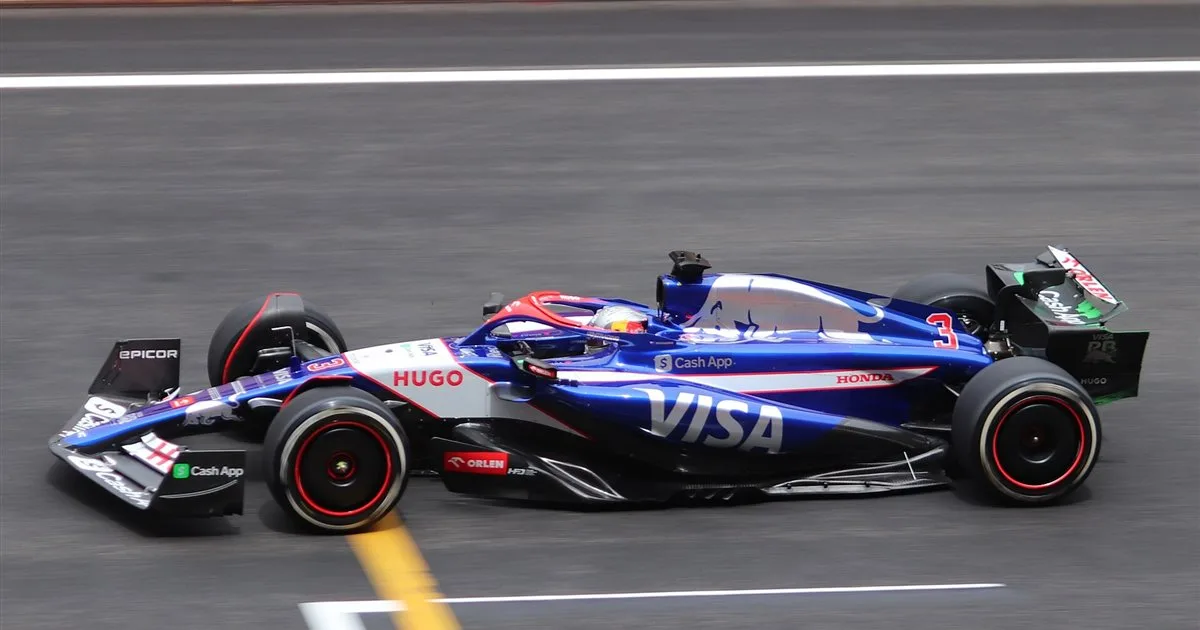
“Formula” means the cars must follow a shared technical rule book. Teams still design and set up their own cars within those rules, so different strengths appear: one car may be kinder to its tyres, another faster through corners, and another especially strong on a straight. A race is therefore both a driving contest and a rapid series of engineering decisions.
What happens on an F1 race weekend?
A normal Grand Prix weekend typically runs from Friday to Sunday. Practice lets teams learn the circuit and prepare the car; qualifying sets the starting order; Sunday’s Grand Prix is the main race. A Sprint weekend is the exception: it adds a short Saturday race and a separate Sprint Qualifying session, while regular qualifying still sets the Grand Prix grid. The official F1 weekend guide explains the current formats and points tables.
| Format | Friday | Saturday | Sunday |
|---|---|---|---|
| Standard Grand Prix | Practice sessions | Final practice and qualifying | Grand Prix |
| Sprint weekend | Practice and Sprint Qualifying | Sprint, then Grand Prix qualifying | Grand Prix |
Practice times can be misleading because cars may run different fuel loads, tyres and programmes. Qualifying is the clearer speed test: every driver tries to produce the fastest possible lap when the track and tyres are at their best.
How does qualifying set the grid?
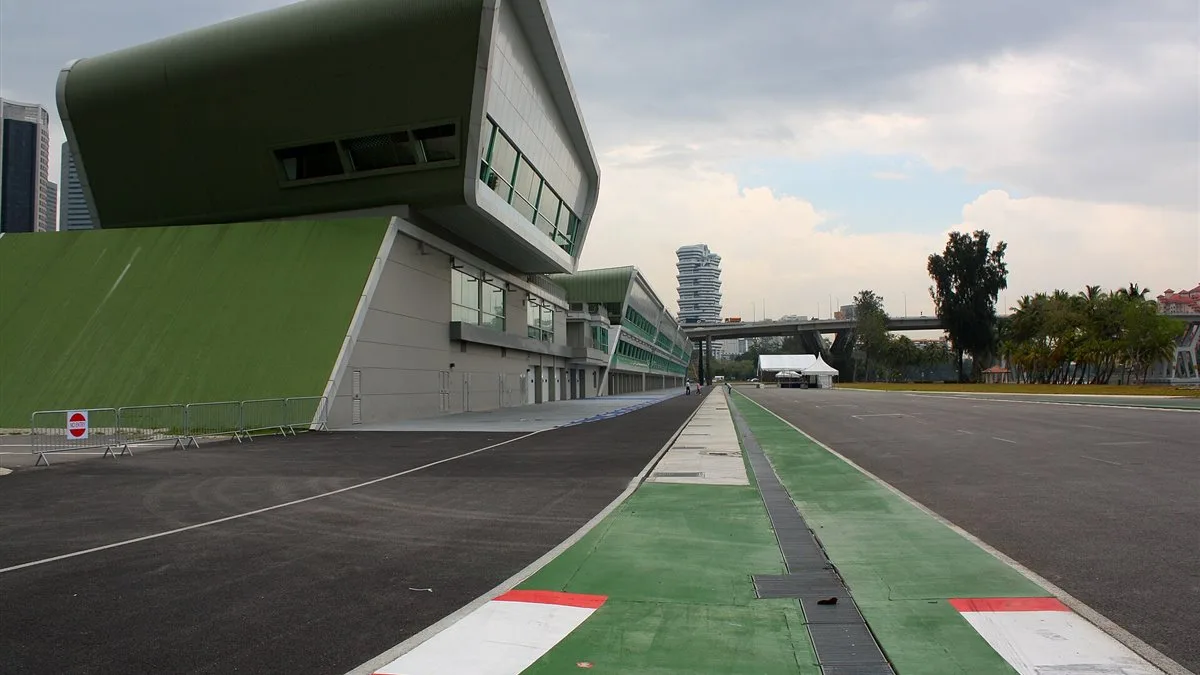
Qualifying decides the grid—the order in which cars line up for the start. In the 2026 format, Q1 and Q2 each eliminate the six slowest cars, leaving a 10-car Q3 shootout for pole position. The driver with the fastest Q3 lap starts first, subject to any later penalties. This six-car elimination update is confirmed in Formula 1’s 2026 regulations guide.
On race day, drivers complete reconnaissance and formation laps before lining up in their grid slots. When the starting lights go out, the field races to the first corner. Grid position matters because clean air and clear track can make it easier to control the pace, but it is not a guarantee: weather, strategy, safety cars and overtakes can still rewrite the order.
How do points and championships work?
At a Grand Prix, the top 10 finishers score points. The same points count toward the driver’s personal total and their team’s championship total. A Sprint awards a separate eight-to-one scale to its top eight finishers, so it can add pressure to a weekend without replacing the Grand Prix as the main event.
| Finish | Points | Finish | Points |
|---|---|---|---|
| 1st | 25 | 6th | 8 |
| 2nd | 18 | 7th | 6 |
| 3rd | 15 | 8th | 4 |
| 4th | 12 | 9th | 2 |
| 5th | 10 | 10th | 1 |
For a quick beginner’s calculation, remember 25 for a win, 18 for second and 15 for third. The official weekend explainer lists both Grand Prix and Sprint scoring.
What are the basic rules during the race?
The race distance is set by the circuit, so the number of laps changes from one Grand Prix to another. Drivers race wheel to wheel but must leave room fairly, obey flags and avoid gaining an advantage outside the track limits. Teams monitor lap times, gaps, weather and tyre condition while telling drivers when to attack, save tyres or pit.
Passing requires more than being fast. A driver needs enough grip and momentum to draw alongside, then must complete the move safely. Defending drivers can protect their position, but dangerous weaving, avoidable contact or repeated rule breaches can bring an investigation.
What do F1 flags and safety cars mean?
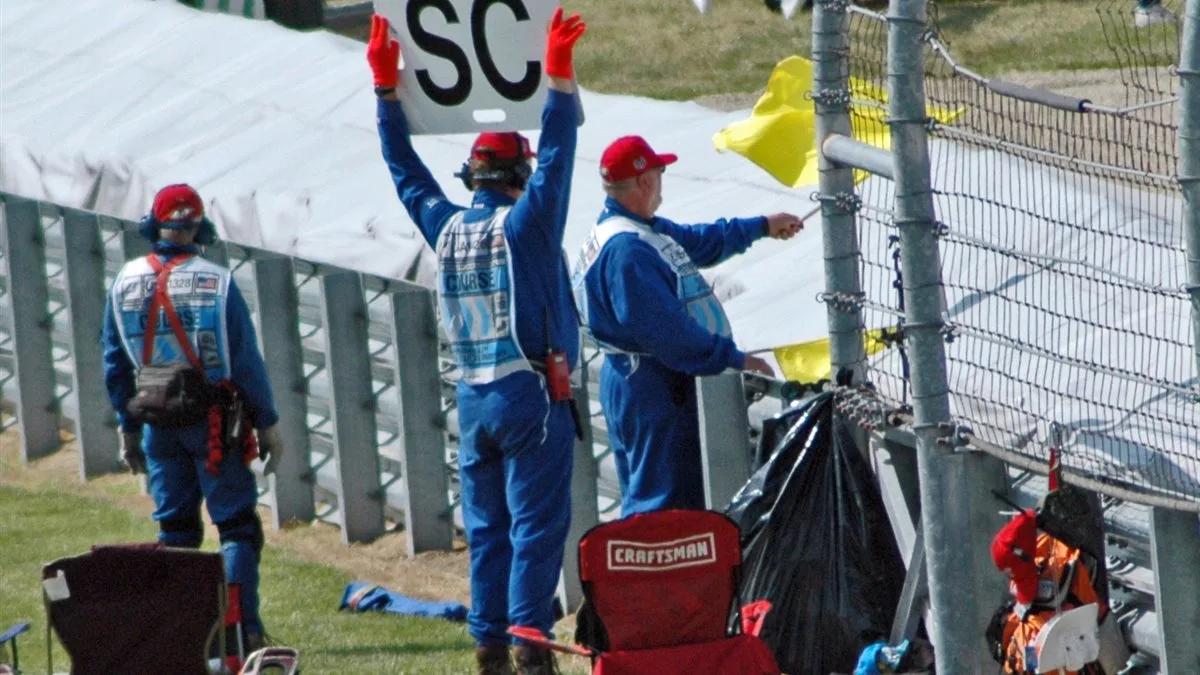
Flags communicate hazards instantly. Green means the track is clear; a yellow flag warns of danger and requires caution; a double yellow signals a more serious hazard. Red stops the session or race. Blue warns a slower car that a faster car is approaching to lap it, while the chequered flag marks the finish. A black-and-white flag is a warning, and a black flag can order a driver to return to the pits. See Formula 1’s flags guide for the official beginner definitions.
A Safety Car bunches the field behind a physical car when conditions need stronger control. A Virtual Safety Car (VSC) slows every driver to a prescribed delta time without physically grouping them. Both can transform strategy because the time lost during a pit stop can be smaller than under normal racing speed.
Why are tyres, pit stops and strategy so important?
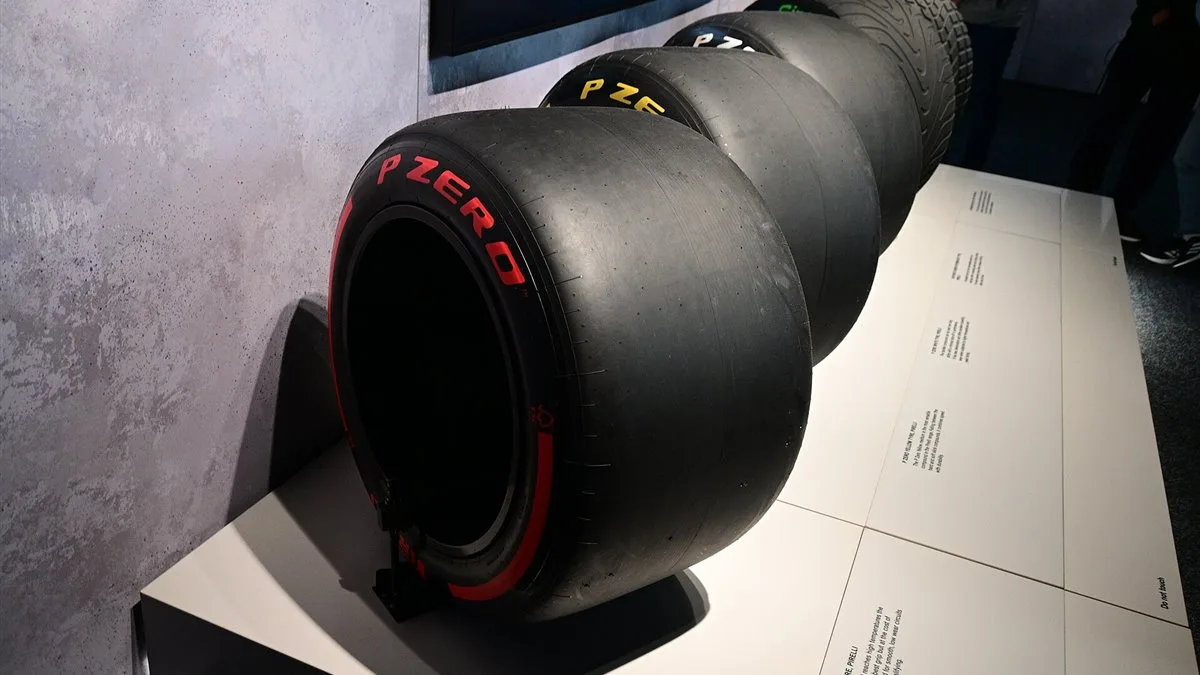
Tyres are the only part of the car touching the track, so they decide much of the available grip. In dry conditions, slick compounds are marked soft (red), medium (yellow) and hard (white): softer tyres generally offer more immediate grip but may wear sooner. Intermediates are green for a damp track, while full wet tyres are blue for heavier rain. The official tyre guide explains the compounds and the dry/wet choices.
In a dry race, drivers normally must use at least two different slick compounds, which usually makes tyre-changing pit stops part of the story. Rain changes that logic: intermediates or wets may be the appropriate safety choice. A pit stop can replace tyres, repair a small issue or serve a penalty, but it also costs time, so teams weigh fresh-tyre pace against track position.
What penalties might a driver receive?
Stewards review incidents and can use warnings, grid penalties, five- or 10-second time penalties, drive-throughs, stop-go penalties or disqualification, depending on the rule and circumstances. A time penalty may be added after the race if it was not served in the pits. For the formal framework and current examples, consult Formula 1’s penalties guide and the FIA’s Formula One regulations category.
Is DRS still used in F1?
DRS is the former Drag Reduction System: it opened an element of the rear wing to reduce drag in designated situations. In the current 2026 rules, it has been replaced as the overtaking aid by Active Aero and Overtake Mode. Active Aero uses Straight Mode and Corner Mode to change wing positions; Overtake Mode is available to an attacking driver who is within one second at the detection point, then can be used over the following lap. Formula 1’s 2026 explainer and the FIA’s new-era overview describe the change.
What do drivers and teams each do?
Drivers provide the racecraft, feedback and split-second decisions visible on television. Teams build, operate and develop the cars; engineers turn data into set-up choices, mechanics prepare the car and pit crew, and strategists model when to stop. The two sides are inseparable: a brilliant lap depends on a car prepared for that exact moment, while a good car still needs a driver to manage tyres, traffic and pressure.
On the radio, a race engineer is the driver’s main link to the wider team. They can report a gap to another car, a change in weather, a tyre target or a safety instruction, but the driver still has to judge grip and space in real time. Strategists use live timing to compare choices such as stopping early for clean air, staying out for track position, or reacting to a rival’s pit stop. Commentary often calls this an “undercut” when fresher tyres let a driver gain time before a competitor stops, and an “overcut” when staying out proves faster.
That teamwork is why a calm race can still be interesting. Watch the cars around a driver rather than only the leader: a battle may be decided by which driver preserves tyres, exits the pits into less traffic, or makes a better restart after a Safety Car. You do not need to memorise every radio code to follow the story—start with position, tyre condition and the gap to the next car.
How should you watch your first F1 race?
Start by checking the grid after qualifying, then watch the opening lap, tyre choices and pit-window decisions rather than trying to follow every radio message. During a Safety Car or VSC, look for drivers who have not stopped yet; during a dry race, note which slick compound each car uses. After the chequered flag, the provisional order can still change if penalties are investigated, so the official result is the final reference.
Explore independent race-weekend fan style
For a watch party or display, explore these independent, driver-inspired fanwear picks. They are fan-expression items only, not certified motorsport equipment.


For more gift ideas, see our racing fan gift guide and Max Verstappen fan gift guide.
Independent fanwear notice
KozmozRacing is an independent retailer of racing-inspired fan products. This guide is not affiliated with, sponsored by, endorsed by, or licensed by Formula 1, the FIA, any team, driver, manufacturer or sponsor. Product references are for independent fan expression, not certified motorsport use.
Frequently asked questions
What is the difference between Formula 1 and a Grand Prix?
Formula 1 is the season-long championship, while a Grand Prix is one individual race weekend within that championship.
How does an F1 driver win the championship?
A driver wins by scoring the most championship points across the season, with Grand Prix and Sprint results contributing where applicable.
Does the fastest F1 car always win?
No. Tyre wear, pit-stop timing, weather, safety periods, penalties and racecraft can all change the result.
Is DRS still the current overtaking system in 2026?
No. DRS is the former system; 2026 cars use Active Aero and Overtake Mode under the current rules.
Are racing-inspired products safety gear?
No. Racing-inspired fanwear is for independent fan expression and is not certified motorsport equipment.