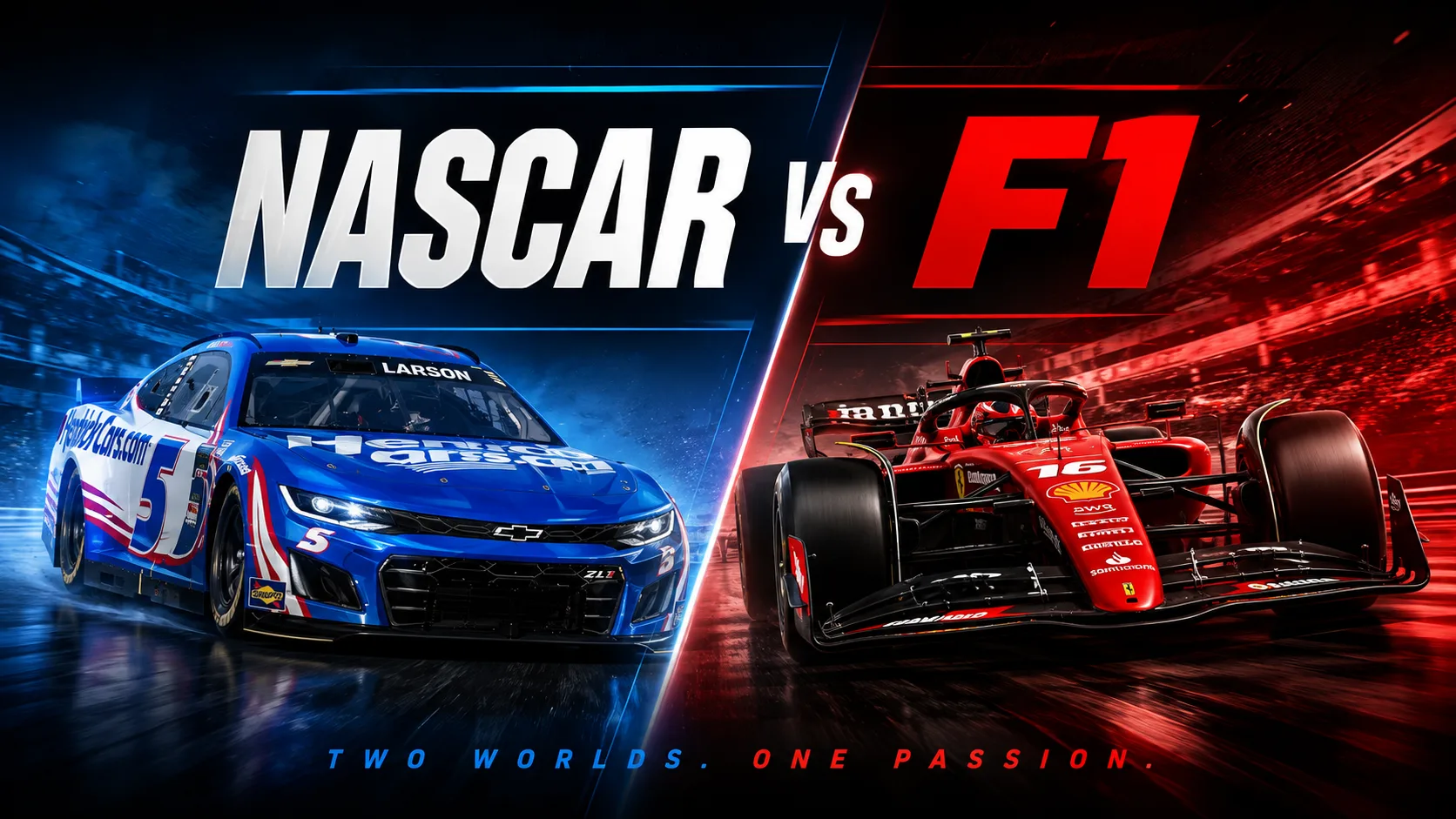


Photo: 2022 British Grand Prix by fuji.tim, licensed under CC BY-SA 2.0. Resized proportionally from the original; no other modifications.
F1 vs NASCAR: What’s the Difference?
The main difference in F1 vs NASCAR lies in vehicle engineering, track disciplines, and racing philosophy. In the F1 vs NASCAR comparison, Formula 1 features custom-built, lightweight open-wheel single-seaters (approx. 798 kg) with 1,000+ hp turbo-hybrid power units racing on intricate global road circuits. Conversely, NASCAR features heavier production-based stock cars (approx. 1,451 kg) powered by 5.86L naturally aspirated pushrod V8 engines (approx. 670 hp) battling in close high-speed pack drafting predominantly across banked American oval speedways.
| Category | Formula 1 (F1) | NASCAR Cup Series |
|---|---|---|
| Top Speed | ~225 – 233 mph (360 – 375 km/h) | ~200 – 205 mph (320 – 330 km/h) |
| 0 to 60 mph | ~2.1 – 2.5 seconds | ~3.0 – 3.4 seconds |
| Minimum Weight | 798 kg (1,759 lbs with driver) | 1,451 kg (3,200 lbs without driver) |
| Engine Type | 1.6L V6 Turbocharged Hybrid (ERS) | 5.86L Naturally Aspirated V8 |
| Horsepower | 1,000+ hp (Combined ICE + Hybrid) | ~670 hp (510 hp at Superspeedways) |
| Max Lateral G-Force | Up to 5.0 – 6.0 Gs in high-speed turns | Up to 2.5 – 3.5 Gs on banked turns |
| Primary Circuits | Permanent Road Courses & Street Circuits | Banked Ovals, Tri-Ovals & Short Tracks |
| Pit Stop Duration | ~1.8 – 2.5 seconds (20-man crew) | ~9.0 – 11.0 seconds (5 over-the-wall crew) |
Motorsport fans frequently ask about F1 vs NASCAR and which series delivers the ultimate driving challenge. While both represent multi-million dollar motorsport categories with dedicated fanbases, understanding the core F1 vs NASCAR difference reveals two completely contrasting worlds of speed, engineering, and driver skill.
Whether you want to know if an F1 car is faster than a stock car, or how oval pack racing compares to Grand Prix road circuits, here is the complete guide explaining F1 vs NASCAR: What’s the difference?
1. F1 vs NASCAR Technical Specifications at a Glance
When evaluating F1 vs NASCAR specifications, the primary distinction is purpose. Formula 1 prioritizes aerodynamic perfection, featherweight composite construction, and surgical cornering grip. In contrast, NASCAR prioritizes heavy-duty mechanical durability, close drafting aerodynamics, and relentless full-contact competition.
What this means for weight and power in F1 vs NASCAR:
In any F1 vs NASCAR matchup on a traditional road circuit, an F1 car holds a decisive power-to-weight advantage. Weighing nearly half as much as a NASCAR stock car while producing over 1,000 hp through hybrid turbo power units, F1 cars can brake later, accelerate harder, and generate massive lateral grip that no stock car can rival.
2. Car Architecture: Open-Wheel Monocoque vs Steel Tube-Frame Stock Car
The physical anatomy of the cars highlights the mechanical contrast in F1 vs NASCAR racing:
- Formula 1 (Open-Wheel / Carbon Monocoque): F1 cars feature exposed wheels and an open cockpit protected by a titanium Halo. The chassis is a molded carbon-fiber monocoque. Because interlocking open wheels can instantly launch cars into airborne flips, wheel-to-wheel contact in F1 is strictly penalized.
- NASCAR (Closed-Wheel / Steel Tube-Frame): NASCAR Next Gen cars feature a central steel tube-frame chassis surrounded by composite panels modeled after production street vehicles. Fully enclosed wheel arches allow NASCAR drivers to trade paint and bump bumpers without shearing off critical suspension parts.

Photo: Daytona 500 by Todd Van Hoosear, licensed under CC BY-SA 2.0. Resized proportionally from the original; no other modifications.
3. Engine Technology & Powertrains: Hybrid Turbos vs Naturally Aspirated V8s
The sound and engineering of the powerplants represent another major difference in the F1 vs NASCAR debate:
Formula 1: High-Tech Turbo-Hybrid Efficiency
F1 uses a 1.6-liter turbocharged V6 paired with an advanced Energy Recovery System (ERS), producing over 1,000 horsepower with more than 50% thermal efficiency, spinning up to 15,000 RPM.
NASCAR: Classic Naturally Aspirated American V8 Power
NASCAR relies on 5.86-liter (358 cubic-inch) naturally aspirated pushrod V8 engines producing ~670 hp (and ~510 hp at superspeedways like Daytona and Talladega for safety) with a deep, thunderous exhaust note.

Photo: Sebastian Vettel, F1 British Grand Prix 2021 by Chris Down, licensed under CC BY 4.0. Resized proportionally from the original; no other modifications.
Celebrate F1 & NASCAR Track Heritage
Custom handcrafted sneakers celebrating iconic Formula 1 champions and legendary NASCAR stock car liveries.
 NASCAR Footwear
RCR Dale Earnhardt #3 Custom Shoes GM Goodwrench Livery 1995 Racing Shoes
 NASCAR Footwear
Hendrick William Byron Custom Shoes #24 Axalta Livery 2025 Racing Shoes
 Formula 1 Footwear
Max Verstappen SB Dunk Sneakers Red Bull RB21 Japanese Grand Prix Livery 2025 Custom Racing Shoes
*Kozmozracing products are independent custom tribute designs celebrating global motorsport culture.
4. Track Styles & Circuits: Twisty Road Courses vs High-Banked Oval Speedways
The tracks where these machines compete define the core differences in F1 vs NASCAR racecraft:
- F1 Circuits (Global Road & Street Tracks): F1 visits 24 global venues, including permanent tracks like Silverstone and Spa, as well as tight street tracks like Monaco. Drivers face constant elevation changes, hairpins, and sharp chicanes.
- NASCAR Circuits (American Ovals & Road Courses): Over 80% of NASCAR races take place on paved ovals ranging from 0.5-mile short tracks to massive 2.66-mile superspeedways with banking up to 33 degrees, along with select road course fixtures.
Did You Know? In the F1 vs NASCAR dynamic, while F1 requires razor-sharp braking into slow corners, NASCAR demands constant 200 mph pack management in cockpit heat exceeding 120°F (49°C) with no power brakes.
5. Race Formats, Pit Stops & Contact Culture: Milliseconds vs Bumper Rubbing
How races unfold further clarifies the distinctive nature of F1 vs NASCAR:
Pit Stop Choreography in F1 vs NASCAR: 2 Seconds vs 10 Seconds
In Formula 1, nearly 20 crew members change four tires in an unbelievable 1.8 to 2.3 seconds without refueling. In NASCAR, only 5 over-the-wall crew members jack up the car, replace four tires, and refuel 24 gallons in 9 to 11 seconds.
Race Distance & Strategy
An F1 Grand Prix covers ~190 miles (305 km) in around 90 minutes. NASCAR Cup Series races are intense endurance tests spanning 400 to 600 miles (640 to 965 km) over 3.5 to 4.5 hours with stage racing formats.
6. Frequently Asked Questions (FAQ)
Is an F1 car faster than a NASCAR stock car?
Yes. In any F1 vs NASCAR speed test, F1 is significantly faster in acceleration (0-60 mph in 2.1s vs 3.2s), top speed (230+ mph vs 200 mph), and cornering forces.
Why are NASCAR pit stops slower than F1 pit stops?
NASCAR restricts teams to only 5 over-the-wall crew members who must also fuel the car, whereas F1 allows ~20 crew members to work simultaneously with no refueling.
Can an F1 driver race in NASCAR and vice versa?
Yes. Several champions have crossed between F1 vs NASCAR, including Kimi Räikkönen, Juan Pablo Montoya, Jenson Button, and Jacques Villeneuve.
Which motorsport is more physically demanding in F1 vs NASCAR?
F1 subjects drivers to extreme neck-straining lateral G-forces (up to 6 Gs), while NASCAR tests extreme heat endurance and upper body stamina over 4-hour races without power steering aids.
Sources and further reading
- Formula 1 — official site: rules, hybrid power-unit technology and the current race calendar.
- FIA — Formula 1 regulations: official technical and sporting regulations governing F1 car design and race format.
- NASCAR — official site: series rules, schedules and stage-racing format.
- NASCAR Next Gen car: chassis architecture, naturally aspirated V8 engine and full technical specifications.
- Formula One overview: monocoque construction and open-wheel technical background.
- NASCAR overview: history and high-banked oval stock-car racing background.