
The road to the 2026 Formula 1 season has been marked with anticipation and curiosity as teams and drivers prepare for a radical transformation in car design and engineering. Recent impressions from the Barcelona shakedown have provided a glimpse into what we can expect from these next-generation machines. Driver feedback on the 2026 F1 cars paints a picture of an era characterized by increased power, agility, and new driving challenges that are redefining high-speed racing.
What to Expect From the 2026 F1 Cars
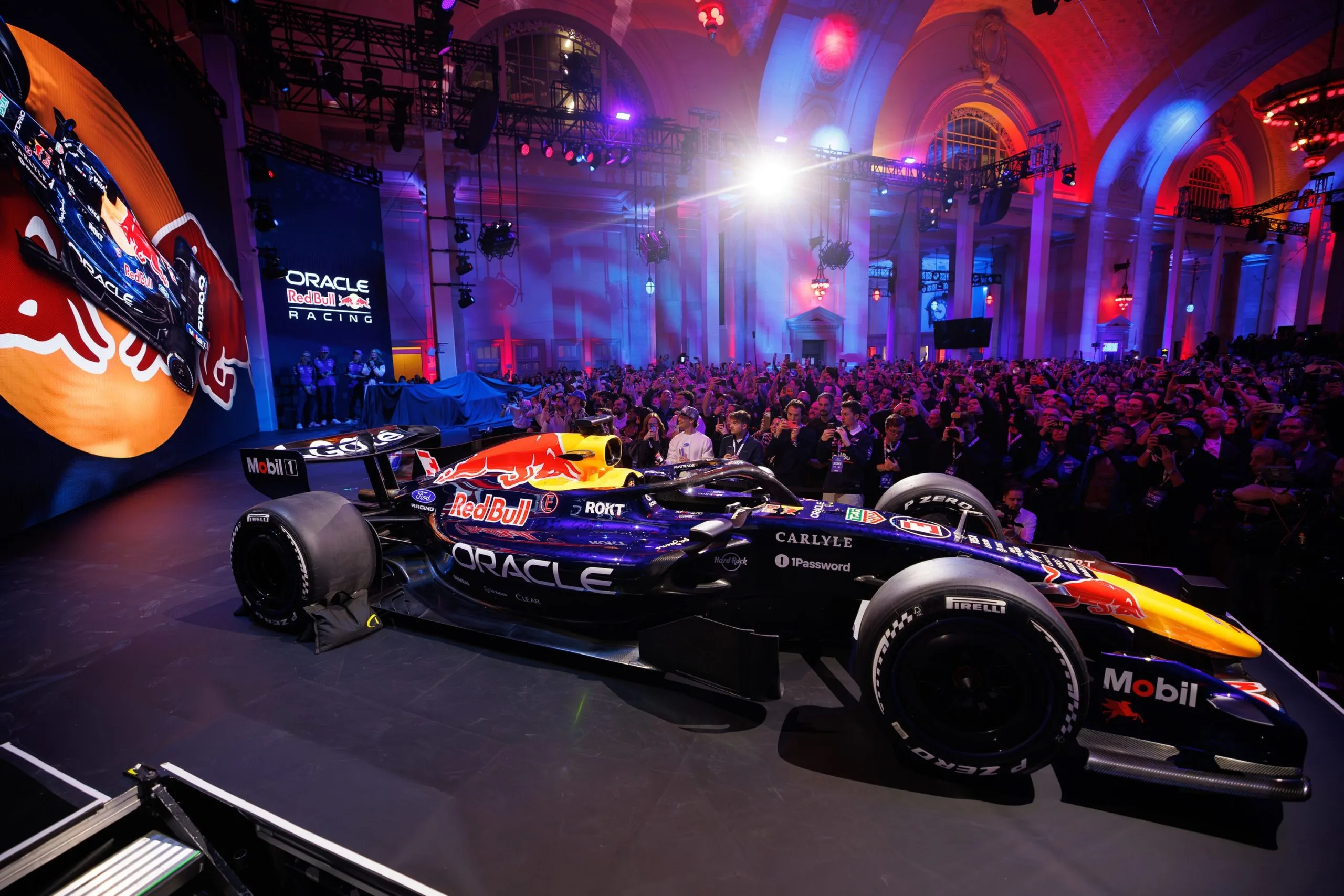
The 2026 F1 cars represent one of the biggest regulation overhauls in the sport’s history – more power, lighter chassis, active aerodynamics and new power-unit options. This is not merely about new numbers on the speedometers; it is a comprehensive overhaul of how these machines are designed, driven, and mastered. From spirited affirmations of enjoying oversteer to the strategic opportunities afforded by lighter cars, the driver feedback reveals a complex yet exhilarating landscape. This article explores how these insights exemplify the dynamic intersection of technology and sport.
Unveiling the Power and Control Dynamics of the 2026 F1 Cars
The most immediate takeaway from the Barcelona shakedown reports is the undeniable surge in power combined with a shift in grip levels. Lando Norris‘s remarks, stating that the 2026 cars are more powerful and quicker, highlight a major technological leap. He emphasizes that the additional power demands more finesse and control, which inevitably raises the skill ceiling for drivers. Norris describes the cars as fun to drive, but with the key caveat that mastery over the new handling characteristics – particularly the reduced grip – is essential. This challenge effectively transforms racing into a nuanced game of balance, precision, and reaction time.
Further amplifying this narrative, George Russell noted the impressive power delivery stemming from the new engines and the weight reduction of the vehicles. Lighter cars generally translate into more agility, allowing drivers to exploit every twist and turn with greater responsiveness. The customizability and tunability of these cars come into play here, giving talented drivers more tools to fine-tune their setups for optimal performance. The integration of advanced telemetry and setup options ensures that drivers can adapt more finely than ever before, making racing highly strategic and tailored to individual driving styles.
The Drivers’ Experience: Adapting to the New Norms
Beyond horsepower and grip, the innovative design of the 2026 cars introduces new sensory and control experiences that drivers are rapidly acclimating to. For example, Oscar Piastri remarked on the altered engine sound and the ways these changes influence overall power management. This ambient shift in auditory feedback directly impacts how drivers interpret engine behavior and adjust their driving, adding a fresh layer of complexity and learning. The significant visible differences between these cars and their predecessors challenge drivers to rethink their approach and strategies on every lap.
The emotional aspect of this adaptation process is well encapsulated by Charles Leclerc, who described driving the new cars as an “exciting challenge.” He pointed out that energy management and reactive control confront drivers with a fresh skill set, unlike anything seen before. Lewis Hamilton‘s comment about the fun element, especially oversteering tendencies, indicates that while the cars are demanding, they are also highly engaging. Oversteer, once viewed as a handling flaw, now becomes a feature that offers a new playground for drivers willing to experiment and push their limits.
A New Era of Strategy and Skill
The 2026 regulation changes have introduced a significant impact on racing strategies. Ollie Bearman pointed out that drivers now possess greater influence on the outcome due to the new rules, effectively empowering skill over raw engineering dominance. With the emergence of more tunable and playful setups, drivers have the opportunity to innovate and optimize their cars in real-time, adding depth to race-day decision-making.
Kimi Antonelli’s observation about the cars being more agile and offering numerous setup options is particularly salient here. The smaller, more nimble chassis provide a more flexible platform for experimentation, ultimately humanizing the advanced engineering behind each vehicle. Isack Hadjar’s comments about the increased power-unit options further underscore this point – they facilitate a broader spectrum of tuning, allowing drivers to find unique solutions suited to individual driving styles or racing conditions.
For fans and analysts, the emerging narrative underscores the profound influence of the new regulations not only on lap times but on driver skills and team strategies. As Arvid Lindblad described, this is a collective “learning journey,” where both rookie talents and seasoned veterans are adapting to the radically different driving dynamics. It signals an exciting future for F1, where mastery is defined not solely by the car’s hardware but by the driver’s ability to harness and adapt to these innovations.
Conclusion
The driver feedback from the Barcelona shakedown highlights a transformative moment in Formula 1, driven by technological advancements and new regulations that challenge drivers physically, mentally, and strategically. Feedback on the 2026 F1 cars reveals a landscape where increased power, agility, and customization create a more dynamic, engaging racing environment. Drivers like Norris, Piastri, Hamilton, and Leclerc are tackling these changes head-on, illustrating a sport that continues to evolve and inspire. As teams and drivers learn and adapt, fans can look forward to a race season filled with innovation, spirited competition, and unprecedented opportunities for excellence on and off the track.
Shop the F1 2026 Collection
Celebrate the new era of Formula 1 with racing-inspired apparel. Explore driver and team designs in our F1-inspired apparel collection – hoodies, polos and tees built for fans who live for race day.
Frequently Asked Questions
What is changing with the 2026 F1 cars?
The 2026 F1 cars feature more powerful hybrid engines, lighter and smaller chassis, active aerodynamics, and sustainable fuel – a major regulation overhaul that shifts the balance toward driver skill and setup strategy.
Are the 2026 F1 cars faster?
According to driver feedback from the Barcelona shakedown, the 2026 cars are more powerful and quicker in a straight line, but with reduced grip that demands more finesse – making them faster yet more challenging to master.
What do drivers think of the 2026 F1 cars?
Drivers including Lando Norris, Charles Leclerc and Lewis Hamilton describe the 2026 cars as an exciting challenge – fun to drive, more agile, and rewarding for those who master the new handling and energy management.